What is a house clearance?
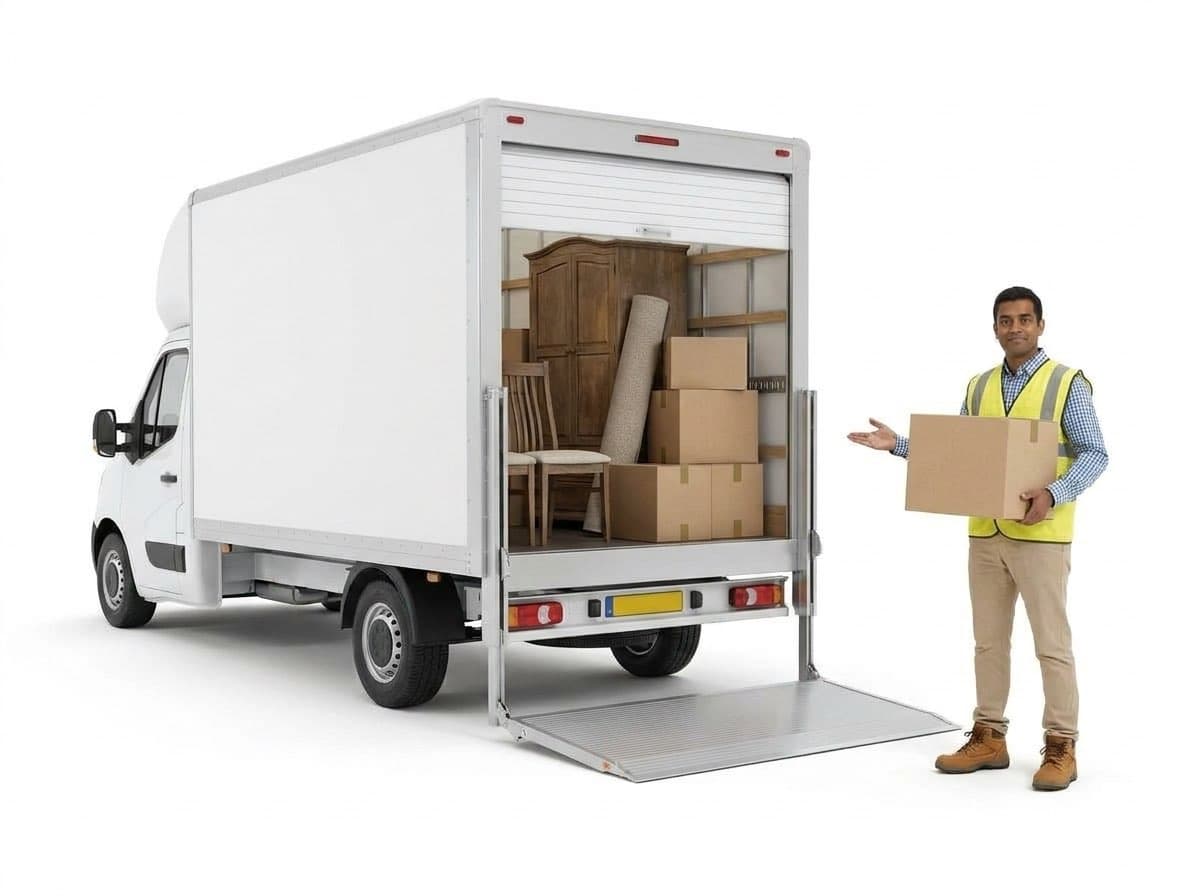
A house clearance empties a whole property rather than taking away a single load of junk. The crew works through every room, along with the loft, garage, shed and garden, sorting the contents as they go into what the family is keeping, what can be sold or donated, what can be recycled and what has to be disposed of. When they leave, the property is empty, and some firms will also sweep through or arrange a clean so it is ready for a sale, a new tenant or the keys going back.
That is the main difference from rubbish removal, where a crew collects things you have already decided to get rid of. A house clearance is a bigger, more planned job, usually priced after a visit, a video call or a look at photos, and it suits situations where there is a lifetime of belongings to work through and you want the sorting handled as well as the lifting.
When a house clearance makes sense
Most clearances follow a change in someone's life. Families clear a parent's or relative's home after a bereavement, or when someone moves into care or in with family. Homeowners clear a property before a sale or a move, and people downsizing from a family home often find that the loft, garage and spare rooms hold far more than the new place can take.
Landlords and letting agents use clearance firms to turn round void properties, removing whatever an outgoing tenant left behind so cleaners and tradespeople can get in. If a former tenant's belongings are still there, check you are entitled to dispose of them first, as there are rules about giving notice. Clearances are also arranged for homes where possessions have built up to the point of hoarding, and a good firm will work patiently, discreetly and without judgement, with some able to arrange specialist cleaning afterwards if it is needed.
Keep, sell, donate or recycle
Before the crew starts, decide what is staying and make it obvious, either by taking it out first, gathering it in one room or labelling it clearly. Then ask each firm what happens to the rest: what will be recycled, which items go to charities or reuse projects, and what is resold. Some firms may offset the value of saleable furniture, antiques or collectables against the price of the clearance, though it depends on the firm and on what is there, and if you suspect something is valuable it is sensible to have it valued independently first.
Some items need separate handling and may cost extra. Fridges, freezers, mattresses and electrical items are processed apart from general waste, and upholstered sofas and armchairs can contain persistent organic pollutants (POPs), which means they have to be kept out of general waste and landfill. Paints, chemicals, gas bottles and old garden products are usually excluded or need special arrangements. Asbestos, which may be present in buildings put up before 2000, needs a licensed specialist, so if you suspect it anywhere in the property, mention it and leave it undisturbed.
Clearing a loved one's home
Clearing the home of someone who has died is rarely just a practical job, and unless a tenancy or a sale sets the timetable there is no need to rush. If you can, go through the house first and tell the firm about anything that must not leave, from photographs, letters and jewellery to the small things that simply matter to the family. You can also ask the crew to set aside paperwork and keepsakes they come across, such as bank statements, pension letters, wills, deeds and photo albums, along with anything tucked into drawers, books or coat pockets, so the family can check it before anything goes.
If you are an executor, make sure you have the authority to clear the property, and if the estate is going through probate, it may be wise to check with the solicitor handling it before anything of value is sold or removed. Many firms can work without the family present, collecting keys and sending photos once the property is empty, which helps when relatives live some distance away. A considerate crew will work quietly, keep the neighbours in mind and treat the home and its contents with respect.
Choosing a clearance firm and comparing quotes
A reputable house clearance firm should hold a waste carrier registration with the Environment Agency. Ask for the registration number and check it on the Environment Agency's public register. Householders have a duty of care to make sure their waste goes to someone authorised to take it, and if it later turns up fly-tipped you could be held responsible, so the same check makes sense when you are clearing a relative's home or a rental. Be wary of anyone offering to clear a whole house for cash without giving their details.
Clearances are often quoted as a price for the whole job, based on the size of the property, how full it is, access such as stairs, lifts and parking, how much sorting is involved and any items that need separate handling. Many firms prefer to visit, or to see a video call or photos, before confirming a price. We do not carry out clearances ourselves. We pass your details to independent local firms covering your postcode, they come back with prices and availability, and you choose whether to go ahead, with no obligation to book.